
Multi-Tiered System of Supports (MTSS) Summer Reflection and Readiness
Summer is officially here and offers an opportunity for district and school MTSS teams to reflect on what is working, where to make needed adjustments and how to position the system for future success. As a part of refining the MTSS framework, it is essential to regularly assess both current implementation and long-term planning. A strong, comprehensive K-12 MTSS framework ensures that every student receives the academic, behavioral and social-emotional support needed to thrive.
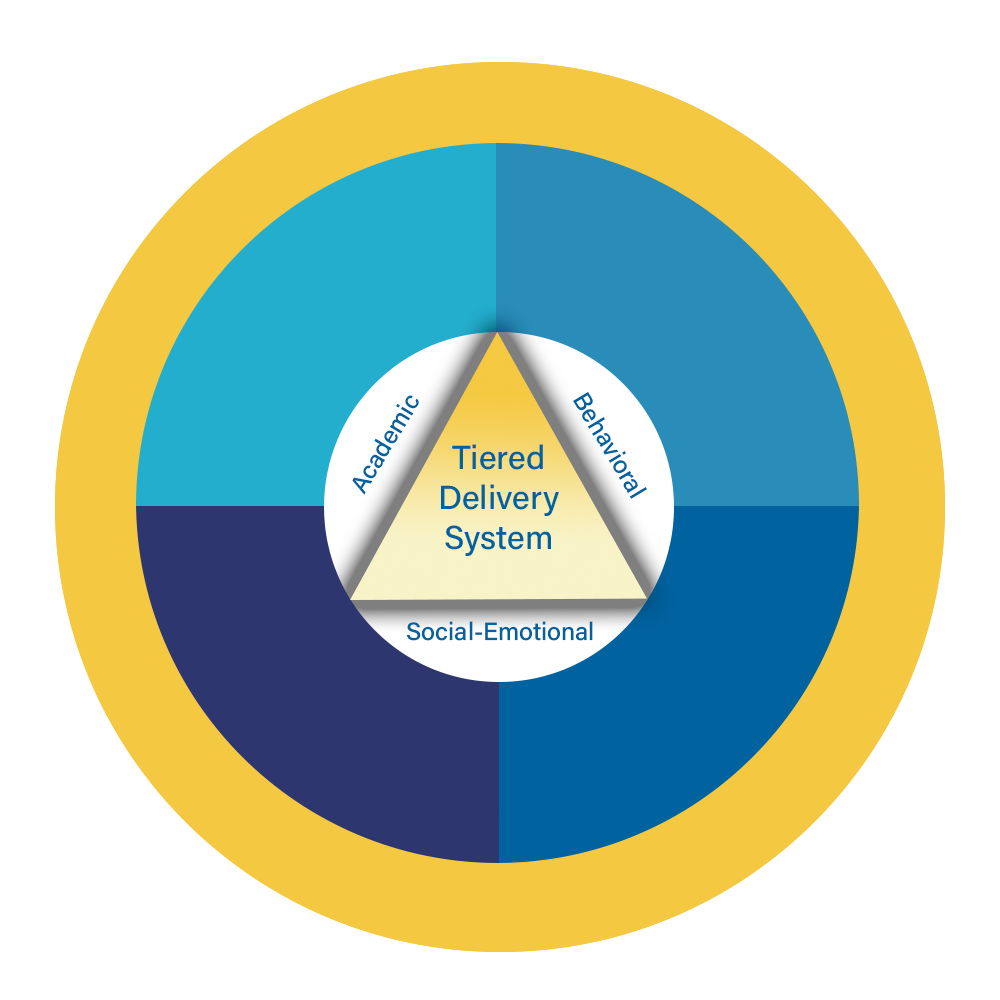
As outlined in 704 KAR 3:095, every Kentucky public school district shall implement a comprehensive, districtwide K-12 MTSS framework to support students’ academic, behavioral and social-emotional needs through a systematic, tiered continuum of supports. This framework is more than a set of isolated initiatives. The goal is a fully integrated districtwide framework embedded into district and school operations, ensuring MTSS is not a collection of isolated initiatives but a comprehensive, sustainable system. This summer is the perfect time to reflect, align and prepare for a strong start to the 2025-26 school year.
While each district’s MTSS framework is tailored to the local context, there are several common features found in a strong, sustainable system. The list below offers considerations to help guide reflection and planning:
- Collaborative problem-solving teaming structures operating at district, school, grade and individual student levels to support continuous improvement
- Clear expectations for high-quality tier 1 instruction and universal practices for all students implemented consistently across all schools
- Clearly defined, evidence-based tier 2 and tier 3 interventions driven by data, with consistent processes for identifying students in need of additional support and matching them to appropriate interventions
- Systematic use of universal screening and diagnostic assessments
- Ongoing progress monitoring and fidelity measurement to inform data-based decision-making
- Strong leadership, teaming structures and family, caregiver and community partnerships
- Intentional review and use of transition data, particularly for key grade-level changes, such as elementary to middle and middle to high school, to ensure continuity of supports
- Active partnerships with families, caregivers, and community agencies to support student success and foster shared responsibility
- Regular review of implementation and outcome data to drive ongoing improvement of the MTSS framework
Key Resources to Support the Work
The KyMTSS Self-Assessment Tool and Implementation Guide are designed to help districts reflect on these critical components and chart actionable next steps for strengthening the MTSS system.
The KyMTSS District Self-Assessment Tool, aligned with the KyMTSS six essential elements, promotes system-level reflection and guides teams in identifying strengths, gaps and priorities for next steps.
The KyMTSS Implementation Guide (2nd Edition) is a comprehensive roadmap for developing and sustaining a proactive MTSS framework. It details the essential components of a comprehensive K-12 MTSS framework, offering implementation strategies, tools, resources and reflection questions.
Visit kymtss.org for additional tools and resources.
Suggestions for Summer Reflection and Action
- Review end-of-year and transition data (elementary to middle, middle to high) to ensure students moving between schools or grade bands have appropriate supports in place for the upcoming year.
- Analyze universal screening and progress monitoring data to identify patterns and trends.
- Evaluate Tier 1 Universal Instruction and Practices to determine if fewer than 80% of students are meeting grade-level expectations; review universal academic and behavioral instruction for consistency and effectiveness.
- Update an intervention menu and progress monitoring tools to confirm available evidence-based interventions, entry/exit criteria and monitoring processes.
- Review MTSS team memberships and protocols. Schedule team meetings for the 2025-26 school year.
Strengthening Family, School and Community Partnerships
In what ways were families, caregivers and community organizations engaged as partners in decision-making and student support this year, and how might you gather input to deepen those partnerships next year?
Family Partnership Resources: